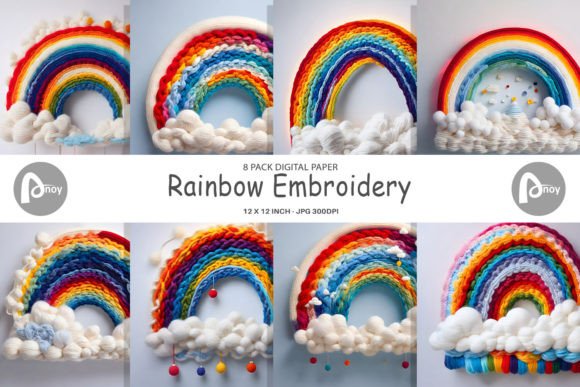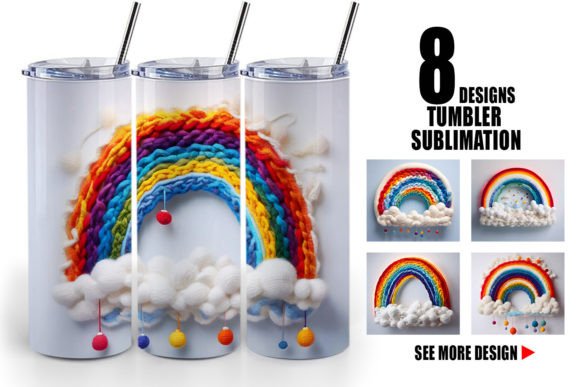
Tumbler Rainbow Embroidery: A Designer's Practical Review
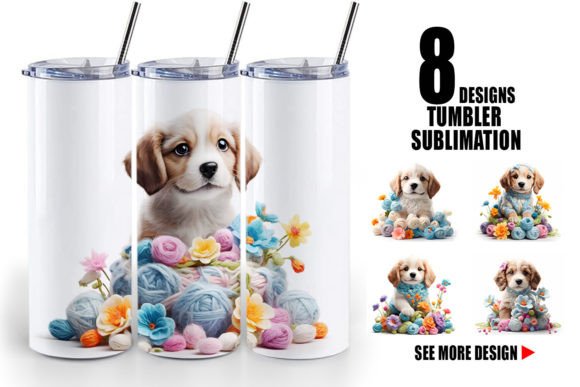
As a designer who spends more time at the hoop than away from it, I approach every new machine embroidery design with a mix of curiosity and skepticism. We've all been there: you download a file that looks vibrant on the screen, only to find it turns into a puckered mess or a thread-breaking nightmare once it hits the fabric. Today, I'm taking a close look at Tumbler Rainbow Embroidery. While the product listing describes this as a sublimation bundle featuring eight unique PNG files intended for skinny tumblers, my job is to translate those digital Illustrations and Graphics into the tangible reality of stitched thread. Can these vibrant visuals survive the transition from a heat press to an embroidery machine? Let's dig into the practicalities.
First Impressions: Mood and Visual Personality
The first thing that strikes me about the Tumbler Rainbow Embroidery concepts is their undeniable energy. The rainbow theme immediately evokes a sense of joy, inclusivity, and playfulness. In the digital preview, the colors are bold and saturated, creating a mood that feels perfect for spring collections, pride month merchandise, or simply adding a pop of color to neutral basics. The layout appears clean, with shapes that suggest they would translate well into satin stitch borders or solid fill stitch areas. However, because these originate as sublimation assets, the "details" we see on screen are pixel-based gradients, not stitch paths. This means the real work begins when we decide how to interpret these design assets for needle and thread. The visual personality is modern and graphic, lacking the ornate flourishes of vintage styles, which makes it highly versatile for contemporary custom apparel and boutique branding.
Real-World Application: From Screen to Stitch
To truly test the viability of this concept, I imagined a specific real-life scenario: preparing a custom order for a local boutique that specializes in eco-friendly tote bags and organic cotton sweatshirts. The client wanted a limited-run "Spring Joy" collection. Tumbler Rainbow Embroidery seemed like a strong candidate for the centerpiece motif.
If I were digitizing these PNG files into a usable embroidery file, I would focus on simplifying the gradient effects found in the original sublimation art. In embroidery, we cannot simply print a fade; we must simulate it through thread blending or distinct color blocking. For a tote bag design, I would recommend using a dense fill stitch for the main rainbow arcs to ensure durability against daily wear. For a softer look on a sweatshirt embroidery project, breaking the rainbow into segmented satin columns could add texture and reduce stiffness. The result would be a handmade product that feels premium and tactile, far exceeding the flat finish of a printed sublimation transfer.
This design also holds immense potential for holiday embroidery gifts or baby embroidery items. Imagine a rainbow motif on a nursery pillow cover or a bib. The cheerful palette naturally appeals to parents and gift-givers looking for something uplifting. For an Etsy seller, offering this as a personalized option—perhaps adding a name in a complementary font below the rainbow—could significantly boost buyer engagement and perceived value.
Navigating Fabric Challenges and Hoop Constraints
While the aesthetic is strong, practical execution requires caution. Since the source material is designed for cylindrical tumblers, the aspect ratio is tall and narrow. When adapting this for flat fabrics, one must be mindful of the hoop size. If you are working with a standard 4x4 hoop, you may need to scale the design down, which risks losing definition in the smaller color bands.
Fabric choice is equally critical. On textured fabrics like terry cloth or heavy canvas, fine details can get lost. I would advise against using this on highly stretchy knits without a robust cut-away stabilizer, as the density of a rainbow fill can cause distortion over time. Dark fabrics present another challenge; the original graphics likely assume a white or light background for the colors to pop. If stitching onto navy or black, you must ensure your thread colors have enough saturation to stand out, or consider adding a white underlay to prevent the base fabric from dulling the rainbow hues. Curved surfaces, like caps, require careful positioning to ensure the arch of the rainbow doesn't warp awkwardly over the seam.
Enhancing Brand Value and Customer Trust
In the world of commercial embroidery, consistency is key to building trust. A well-executed version of Tumbler Rainbow Embroidery can become a signature element for a small shop product line. When customers see crisp stitching with no pull-outs or jagged edges, it reinforces the professionalism of the brand. Conversely, a poorly digitized version with excessive stitch density can lead to thread breaks and frustrated clients.
Using these graphics as a foundation for an embroidered patch is another high-value avenue. Patches allow for intricate detailing on a stable backing, which can then be applied to various garments. This flexibility increases the giftability of the final product. Whether it's a personalized gift for a teacher or a uniform accent for a summer camp, the clarity of the stitched design directly impacts customer satisfaction and repeat business.
Essential Notes for the Professional Maker
Before committing to a full production run, here are my non-negotiable steps for working with this type of design:
- Digitize with Intent: Since the source is a PNG, do not rely on auto-digitizing software alone. Manually assign stitch types to ensure smooth color transitions and logical travel paths.
- Test on Scraps: Always stitch a sample on the exact fabric weight and type you intend to sell. Check for registration issues between color blocks.
- Check Licensing: The product description mentions a sublimation bundle. Verify if the license permits converting these images into embroidery files for commercial sale. Do not assume digital art rights extend to stitched goods.
- Mockup Verification: Create black-and-white mockups to check contrast. If the rainbow bands blend together in grayscale, they might lack definition in thread.
- Stabilizer Selection: Match your stabilizer to the fabric. Water-soluble tops can help manage tricky textures, while cut-away backs provide long-term stability for apparel.
- Thread Inventory: Ensure you have the specific shades required. Substitution can alter the vibrancy of the rainbow effect significantly.
In conclusion, Tumbler Rainbow Embroidery offers a fantastic starting point for creative entrepreneurs willing to put in the digitization legwork. It bridges the gap between trendy digital Graphics and timeless stitched art. With careful attention to fabric texture, stitch planning, and licensing, this design can elevate a simple embroidery project into a standout finished product that resonates with customers and stands the test of time.